
Video showing students and faculty in the Materials Science and Engineering department engaged in research, lab work, and classroom activities.
Home of UT
Materials Science and
Engineering
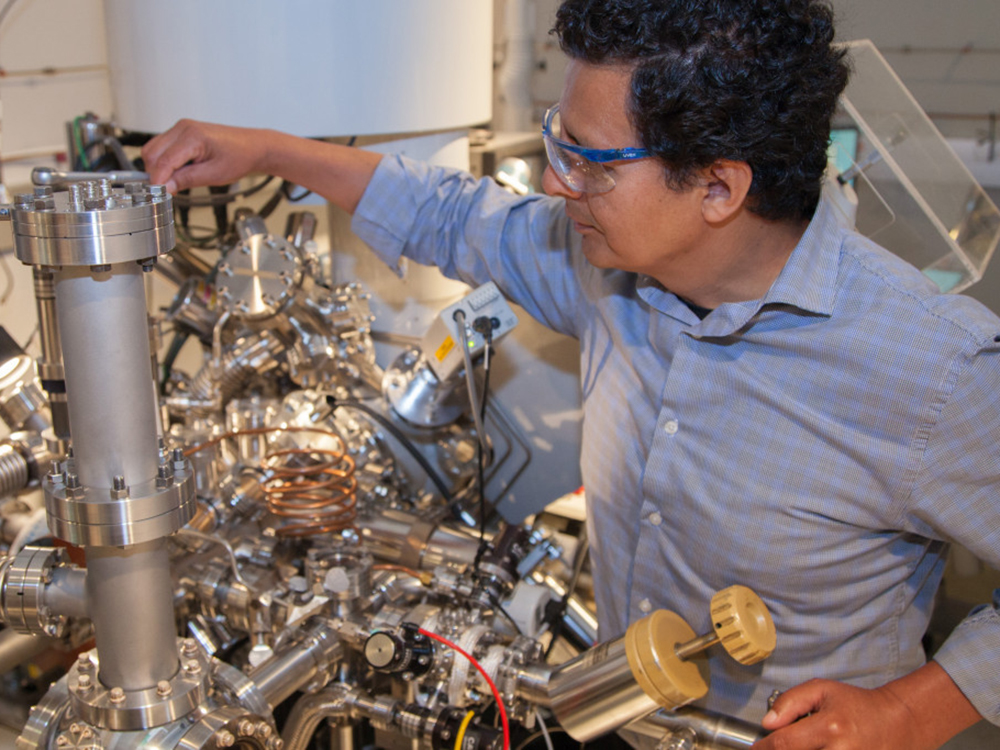
Core Faculty
TMI's core faculty lead cutting-edge research by running their grants through the institute, fostering collaboration and resource sharing.
Learn More
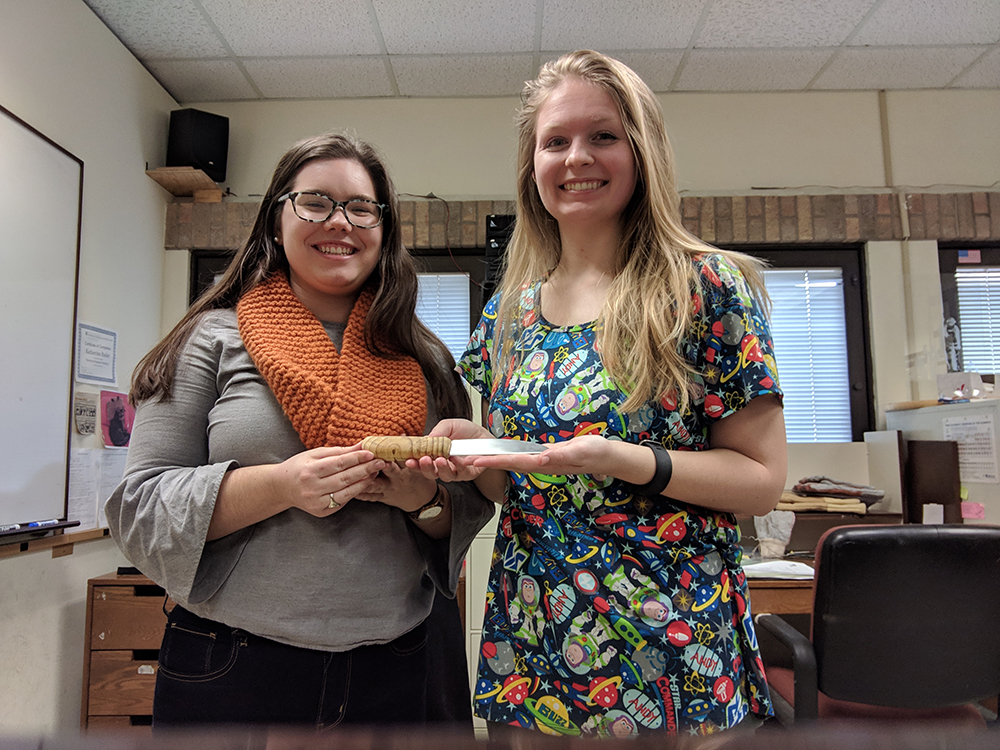
Graduate Program
Our Materials Science and Engineering program is one of the best in the nation, and our graduates go on to be leaders in their fields.
Learn More
Research
TMI supports interdisciplinary research at UT Austin, with over 100 faculty focusing on clean energy, nanotechnology, and advanced materials using our state-of-the-art facilities.
Learn More
Home
Solar Cells Testing Glovebox
Information the Equipment Can Provide
Coming soon
Fees and Policies
Cleanroom Entry fee: (The cleanroom entry fee is charged in addition to the cleanroom facility usage fee)
- UT Users: $6
- Higher Education/State Agencies: $10
- Corporate/External Users: $10
Cleanroom Facility
- UT Users: $35/hour
- Higher Education/State Agencies (Assisted): $92/hour
- Corporate/External Users (Assisted): $94/hour
- Higher Education/State Agencies (Unassisted): $64/hour
- Corporate/External Users (Unassisted): $65/hour
To become a new user of this facility, please read the Instrument Reservation Information page. If you are already a user you can make a reservation in FBS.
To become a user of this instrument you must first complete the Cleanroom Safety Class. Please contact the facility manager to schedule a training session.
Cambridge Nanotech Savannah TM200 ALD
Information the Equipment Can Provide
Coming soon
Fees and Policies
Cleanroom Entry fee: (The cleanroom entry fee is charged in addition to the cleanroom facility usage fee)
- UT Users: $6
- Higher Education/State Agencies: $10
- Corporate/External Users: $10
Cleanroom Facility
- UT Users: $35/hour
- Higher Education/State Agencies (Assisted): $92/hour
- Corporate/External Users (Assisted): $94/hour
- Higher Education/State Agencies (Unassisted): $64/hour
- Corporate/External Users (Unassisted): $65/hour
To become a new user of this facility, please read the Instrument Reservation Information page. If you are already a user you can make a reservation in FBS.
To become a user of this instrument you must first complete the Cleanroom Safety Class. Please contact the facility manager to schedule a training session.
Nordson March PX-250 RIE
Information the Equipment Can Provide
Coming soon
Fees and Policies
Cleanroom Entry fee: (The cleanroom entry fee is charged in addition to the cleanroom facility usage fee)
- UT Users: $6
- Higher Education/State Agencies: $10
- Corporate/External Users: $10
Cleanroom Facility
- UT Users: $35/hour
- Higher Education/State Agencies (Assisted): $92/hour
- Corporate/External Users (Assisted): $94/hour
- Higher Education/State Agencies (Unassisted): $64/hour
- Corporate/External Users (Unassisted): $65/hour
To become a new user of this facility, please read the Instrument Reservation Information page. If you are already a user you can make a reservation in FBS.
To become a user of this instrument you must first complete the Cleanroom Safety Class. Please contact the facility manager to schedule a training session.
SF-100 Lightning Maskless Photolithography
Information the Equipment Can Provide
Coming soon
Fees and Policies
Cleanroom Entry fee: (The cleanroom entry fee is charged in addition to the cleanroom facility usage fee)
- UT Users: $6
- Higher Education/State Agencies: $10
- Corporate/External Users: $10
Cleanroom Facility
- UT Users: $35/hour
- Higher Education/State Agencies (Assisted): $92/hour
- Corporate/External Users (Assisted): $94/hour
- Higher Education/State Agencies (Unassisted): $64/hour
- Corporate/External Users (Unassisted): $65/hour
To become a new user of this facility, please read the Instrument Reservation Information page. If you are already a user you can make a reservation in FBS.
To become a user of this instrument you must first complete the Cleanroom Safety Class. Please contact the facility manager to schedule a training session.
Page 4 of 54
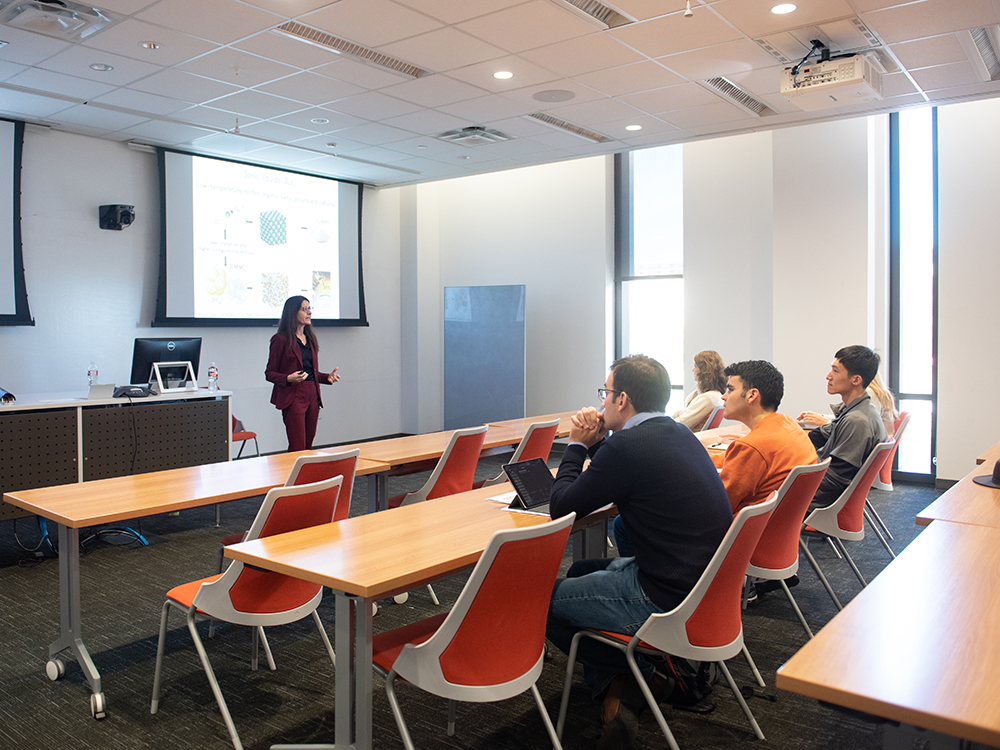
Texas Materials Seminar Series
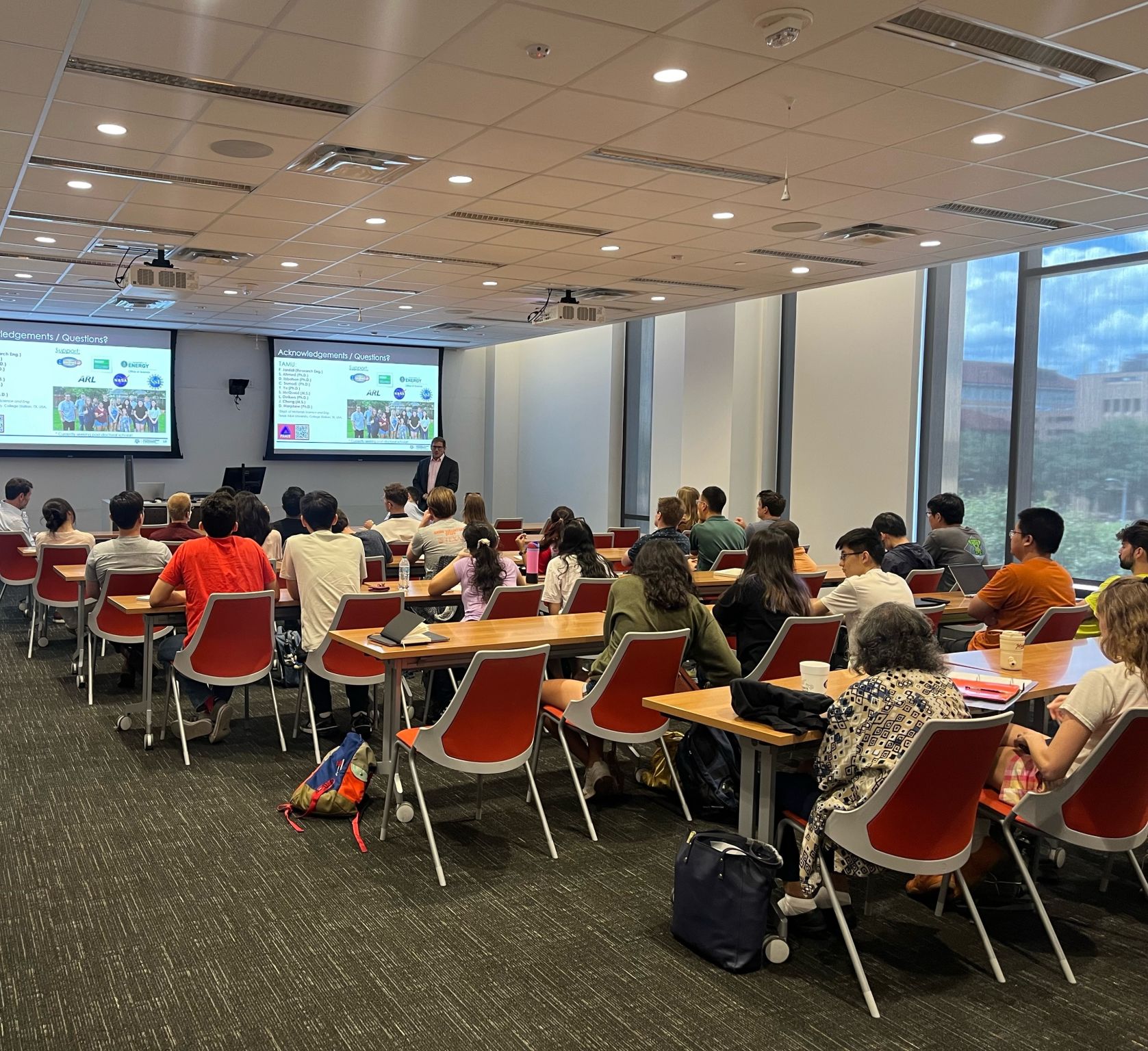
The Texas Materials Seminar Series features MSE 397 Seminars, TMI Distinguished Lectureships, and TMI Special Seminars, where leading faculty and professionals from around the world share cutting-edge innovations and advancements in materials engineering with our students.
Learn More
$12M+
In Grant Funding
20+
Research Patents
10K+
Sq. Ft. of Research Labs
News
Get Better Sleep With Ultrasound Patch That Boosts REM Rest
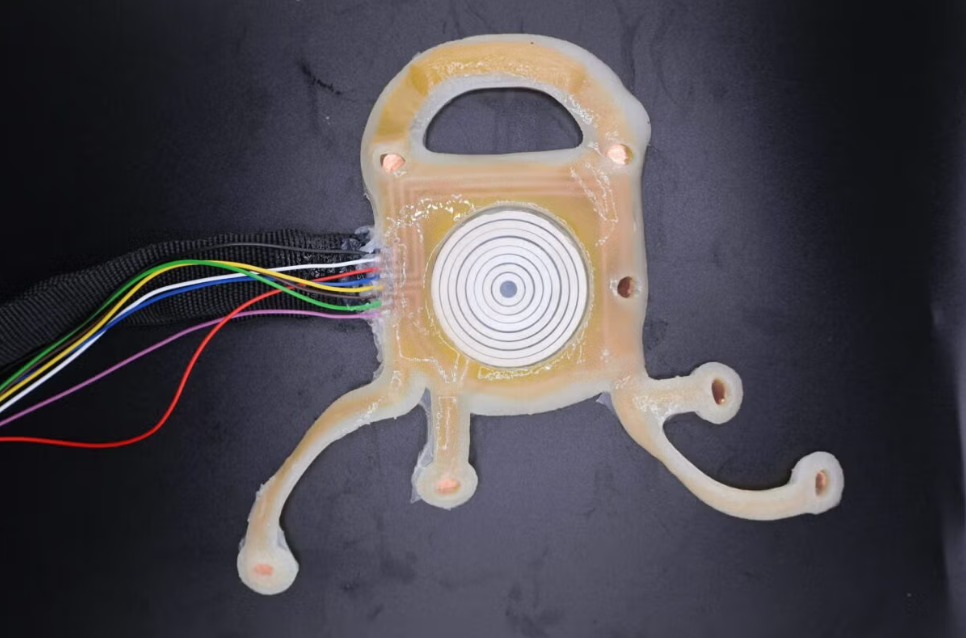
A wearable bioelectronic device increased REM sleep in real-world trials, without invasive surgery or medication.
Published by UT News.
Yuebing Zheng Awarded 'New Directions' Seed Funding from UT OVPR

Yuebing Zheng was awarded seed funding through the University's Office of the Vice President for Research, Scholarship and Creative Endeavors. The 'New Directions in Research' grants are one time payments that give faculty an opportunity to obtain proof-of-concept or pilot data for future, larger grants.
Terry Zheng Awarded UT Chevron Energy Graduate Fellowship
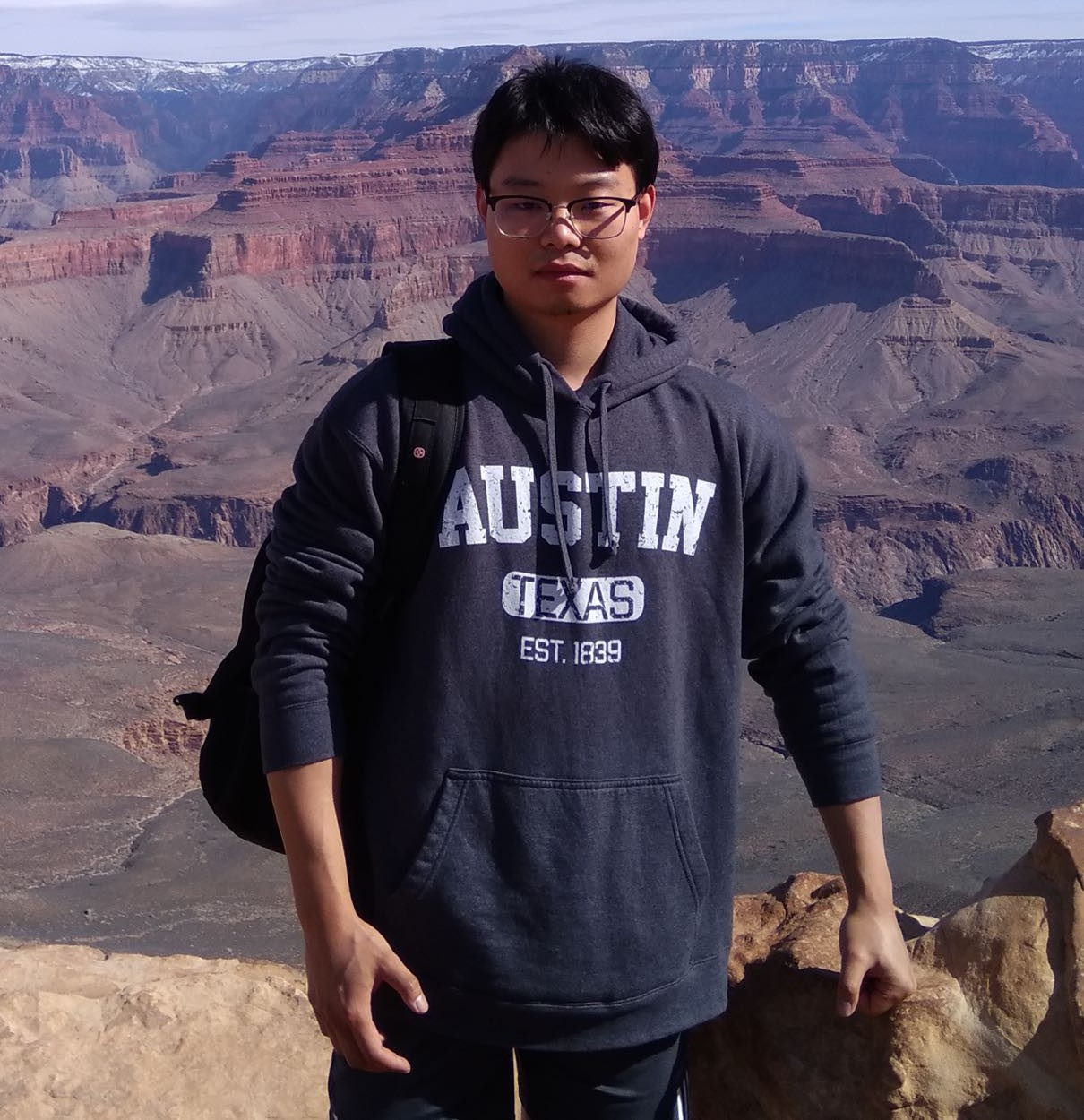
Tianrui (Terry) Zheng, a Materials Science & Engineering graduate student working with Dr. Guihua Yu, is a recipient of the 2026-2027 UT Chevron Energy Graduate Fellows Award from UT's Energy Institute.
NSF Graduate Research Fellowship Program Awardees
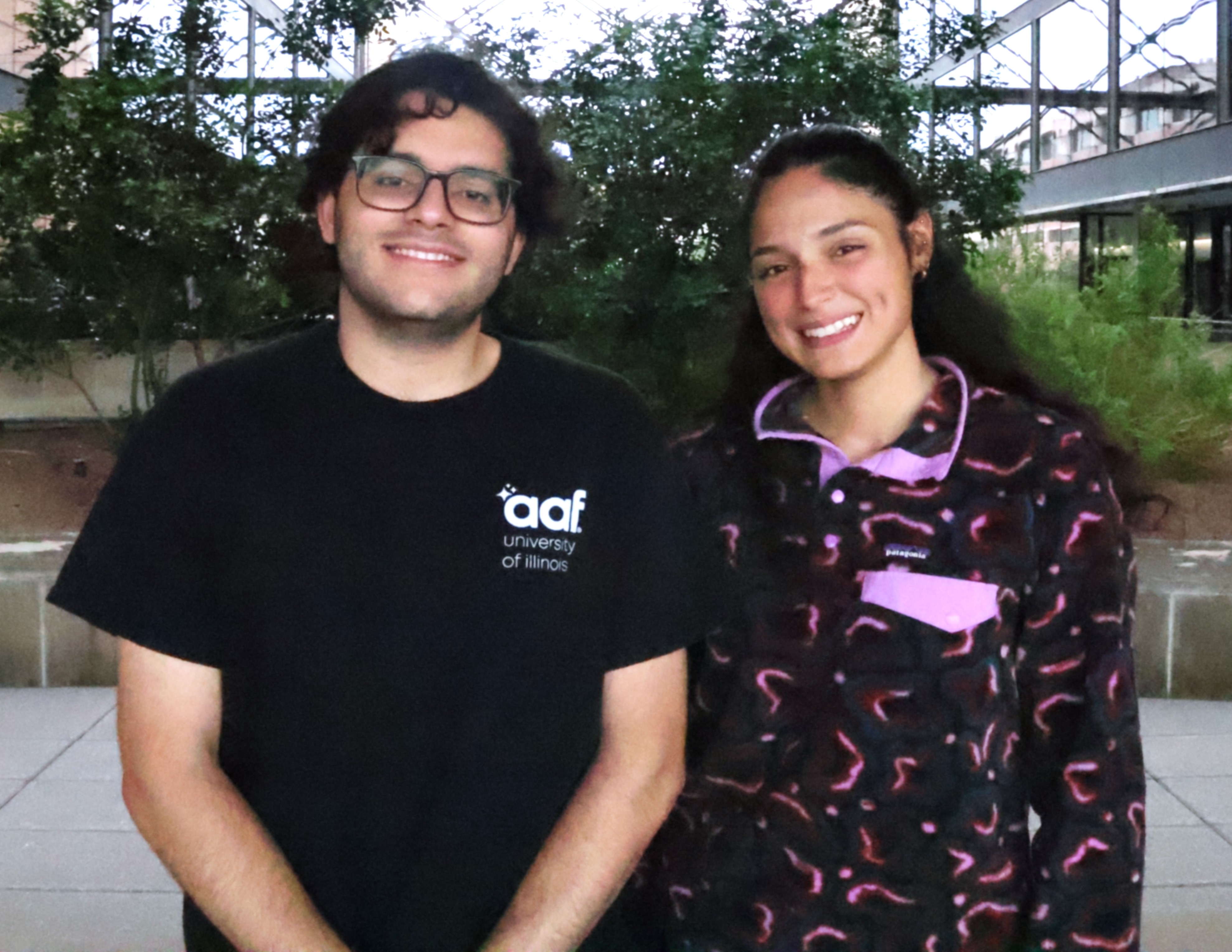
We are excited to announce that two MS&E students, Arvin Sharma and Aisha Lizaola, have been awarded the prestigious National Science Foundation Graduate Research Fellowship Program (NSF GRFP).
Two New Publications Advance Innovative Synthesis Methods for Next-Generation Battery Materials
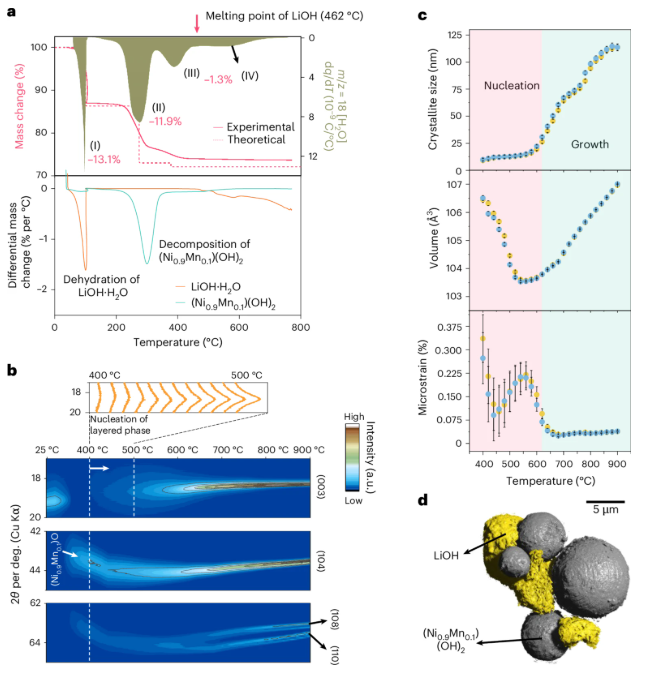
We are excited to share updates on two recent publications in Nature Energy and Nature Communications from Dr. Yijin Liu and his group, highlighting breakthroughs in battery material synthesis aimed at improving cathode performance, durability, and manufacturability.

© The University of Texas at Austin | Privacy Policy | Web Accessibility