
Video showing students and faculty in the Materials Science and Engineering department engaged in research, lab work, and classroom activities.
Home of UT
Materials Science and
Engineering
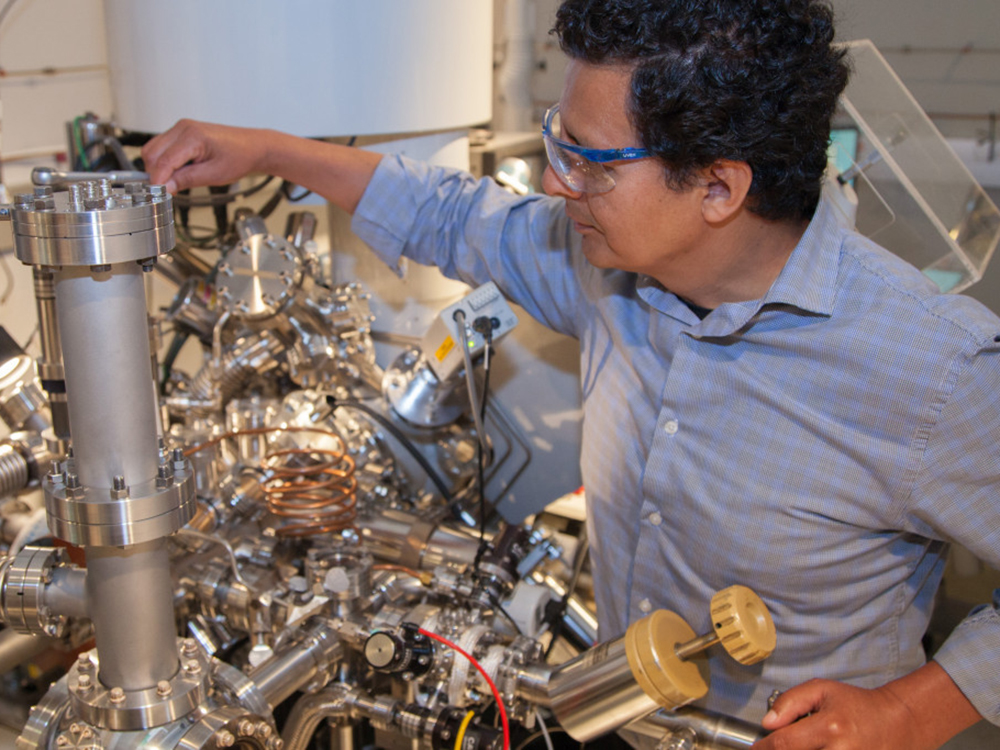
Core Faculty
TMI's core faculty lead cutting-edge research by running their grants through the institute, fostering collaboration and resource sharing.
Learn More
Graduate Program
Our Materials Science and Engineering program is one of the best in the nation, and our graduates go on to be leaders in their fields.
Learn More
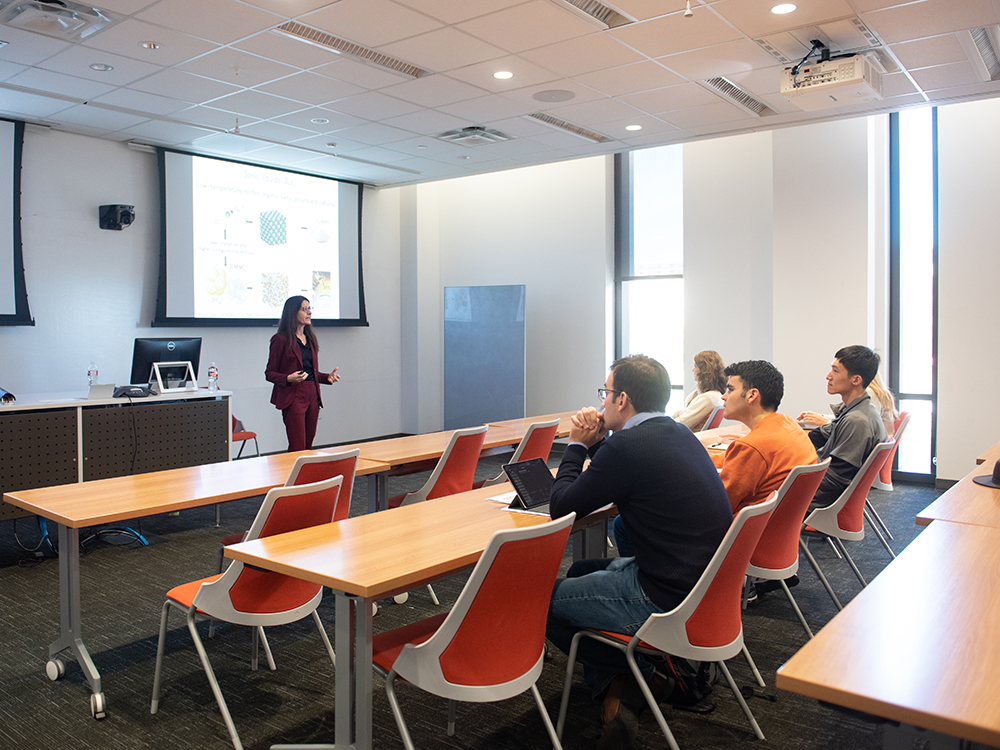
Research
TMI supports interdisciplinary research at UT Austin, with over 100 faculty focusing on clean energy, nanotechnology, and advanced materials using our state-of-the-art facilities.
Learn More
Home

New Research Publication on Solid State Battery Enhancement Features Texas Materials Institute Researchers
A newly published article in Advanced Materials was co-authored by several researchers affiliated with the Texas Materials Institute, including Yixian Wang, Vikalp Raj, Rohit Raj, Hugo Celio, Andrei Dolocan, and TMI core faculty member David Mitlin, along with collaborators from across the field.

TMI-Affiliated Faculty Member Dr. Xiuling Li Receives IEEE Photonics Society Engineering Achievement Award
We are proud to share that Dr. Xiuling Li, Temple Foundation Endowed Professor in Electrical and Computer Engineering at The University of Texas at Austin, has been selected as the recipient of the IEEE Photonics Society Engineering Achievement Award.
This prestigious award recognizes Dr. Li “for contributions to advanced semiconductor growth and processing technologies for photonic nanodevices.” Dr. Li is a globally recognized leader in semiconductor materials and device research. She currently serves as Director of the Microelectronics Research Center at UT Austin. Her groundbreaking work includes innovations in Metal-Assisted Chemical Etching (MacEtch), MOCVD-grown nanowire transistors, and self-rolled-up membrane (S-RuM) technology.
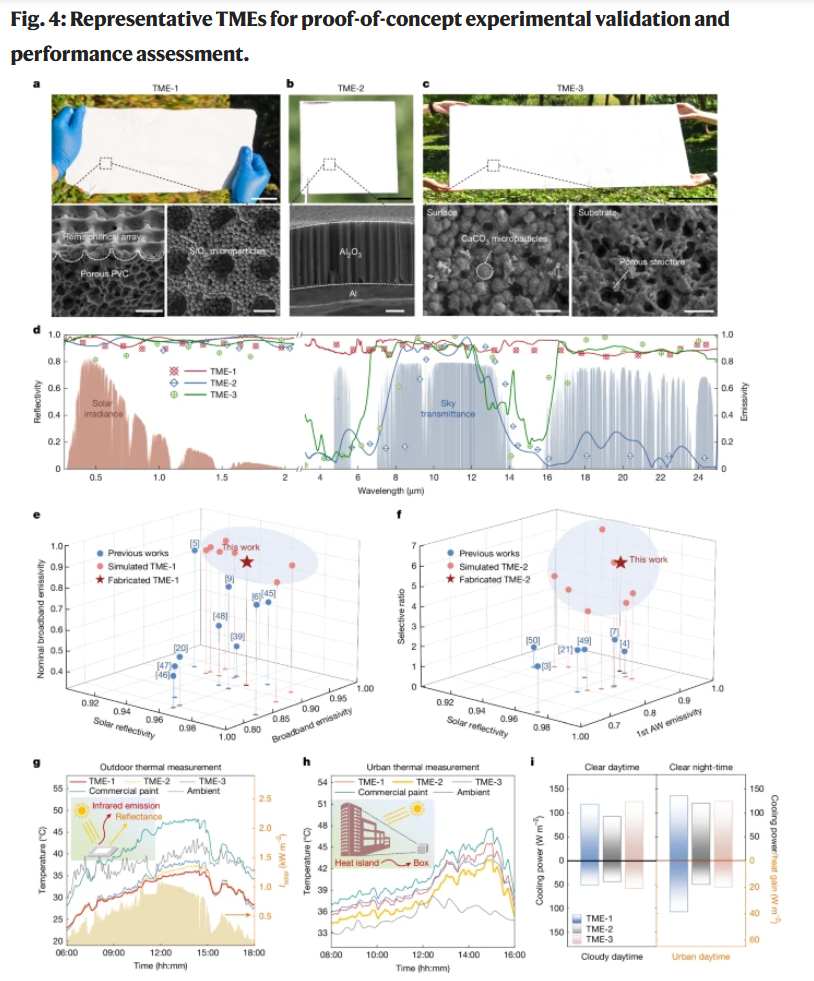
TMI Researchers Develop AI-Driven Platform to Design Advanced Thermal Materials
Researchers at the Texas Materials Institute, Dr. Yuebing Zheng and Dr. Kan Yao, along with other researchers from three additional universities, have developed a powerful new design platform that uses machine learning, computer simulations, and experimental testing to create next-generation thermal metamaterials. These materials are engineered to control how heat is emitted as light, with potential applications in energy efficiency, aerospace, and advanced electronics.
This new framework dramatically expands the possibilities for designing materials by exploring a much larger range of structures and material combinations than ever before. It enables precise control over how materials interact with light at the nanoscale, paving the way for scalable, real-world applications.

The Koo Research Group Presents at National Space and Missile Materials Symposium
The Koo Research Group recently went to the National Space and Missile Materials Symposium. The conference was held from June 23rd to 27th in Norfolk, VA. Attendees from the group included Professor Joseph H. Koo, lab manager Ben Rech, and graduate research assistants Samantha Bernstein, Steven Kim, and Akshar Mashruwala, and undergraduate research assistant Courtney Bui.
The group presented a total of six oral presentations and three posters on their research. Courtney Bui won second place in the Student Poster Award for her presentation on “Processing and Characterization of Rayon Carbon Fiber/Polysiloxane Composites for Aerospace Applications”. The conference was an excellent presentation and networking opportunity for the group, where discussions about thermal protection systems and ablative materials were myriad.
Page 18 of 54
Texas Materials Seminar Series
The Texas Materials Seminar Series features MSE 397 Seminars, TMI Distinguished Lectureships, and TMI Special Seminars, where leading faculty and professionals from around the world share cutting-edge innovations and advancements in materials engineering with our students.
Learn More
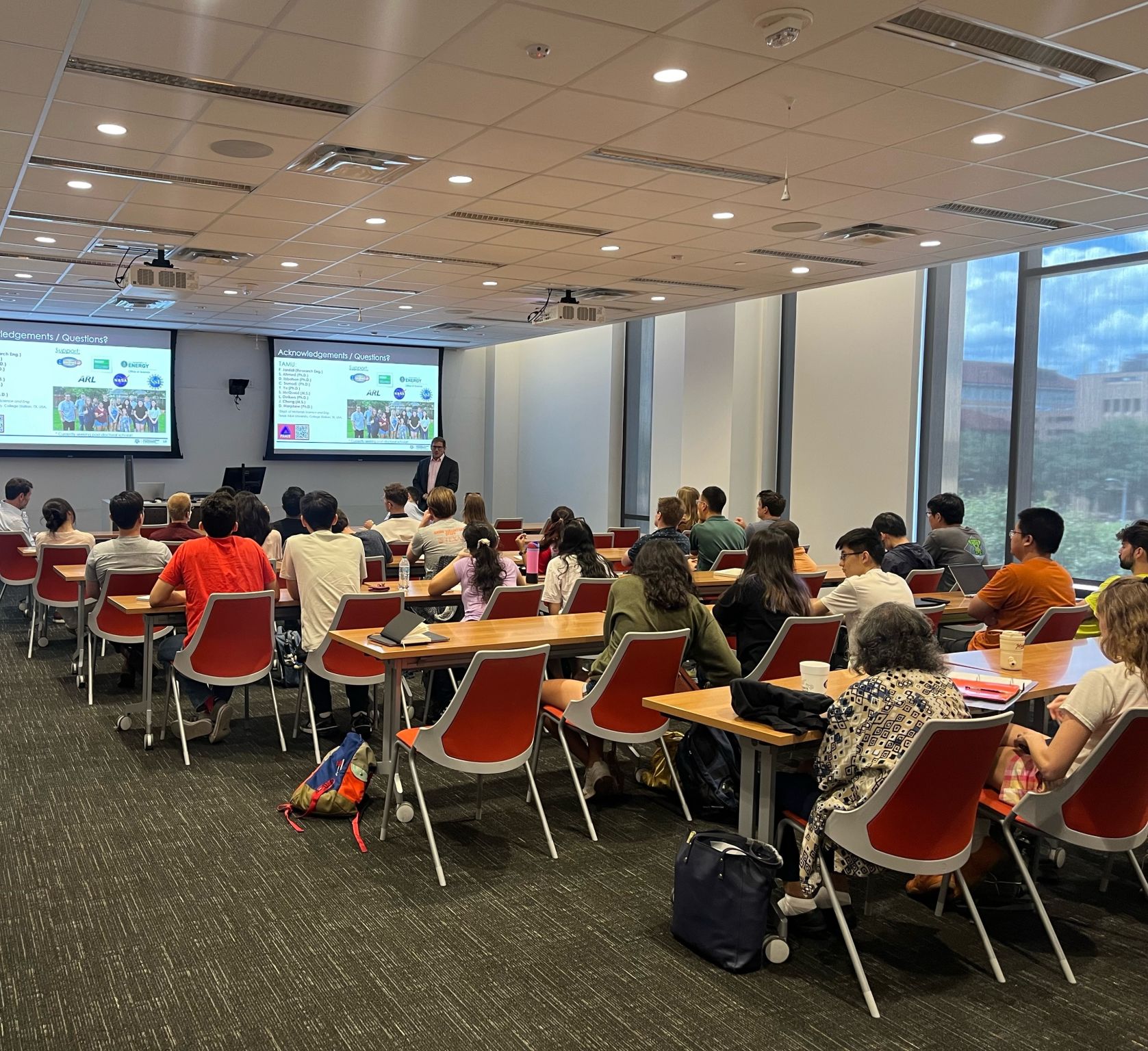
$12M+
In Grant Funding
20+
Research Patents
10K+
Sq. Ft. of Research Labs
News
Get Better Sleep With Ultrasound Patch That Boosts REM Rest
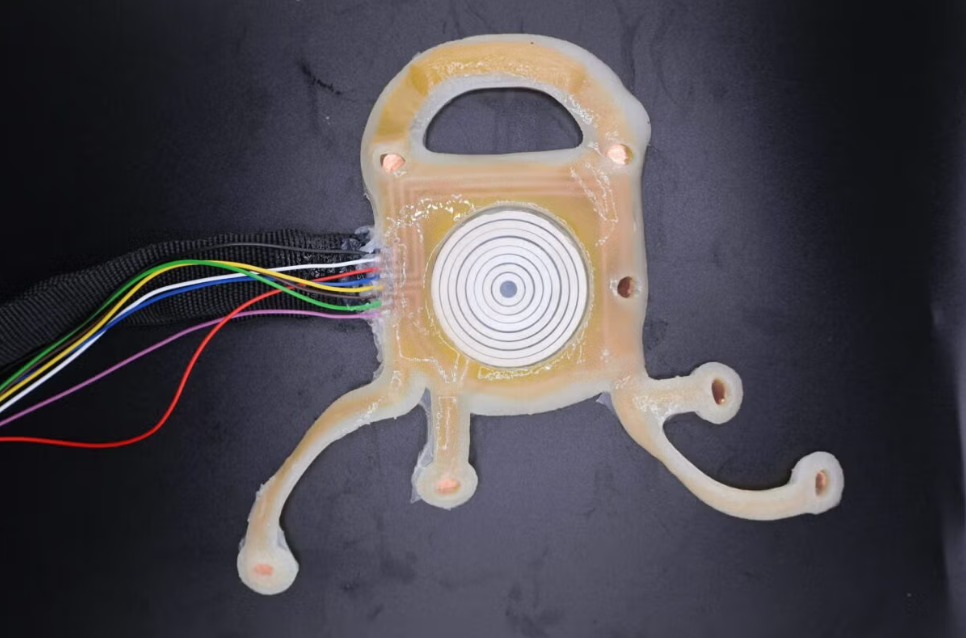
A wearable bioelectronic device increased REM sleep in real-world trials, without invasive surgery or medication.
Published by UT News.
Yuebing Zheng Awarded 'New Directions' Seed Funding from UT OVPR

Yuebing Zheng was awarded seed funding through the University's Office of the Vice President for Research, Scholarship and Creative Endeavors. The 'New Directions in Research' grants are one time payments that give faculty an opportunity to obtain proof-of-concept or pilot data for future, larger grants.
Terry Zheng Awarded UT Chevron Energy Graduate Fellowship
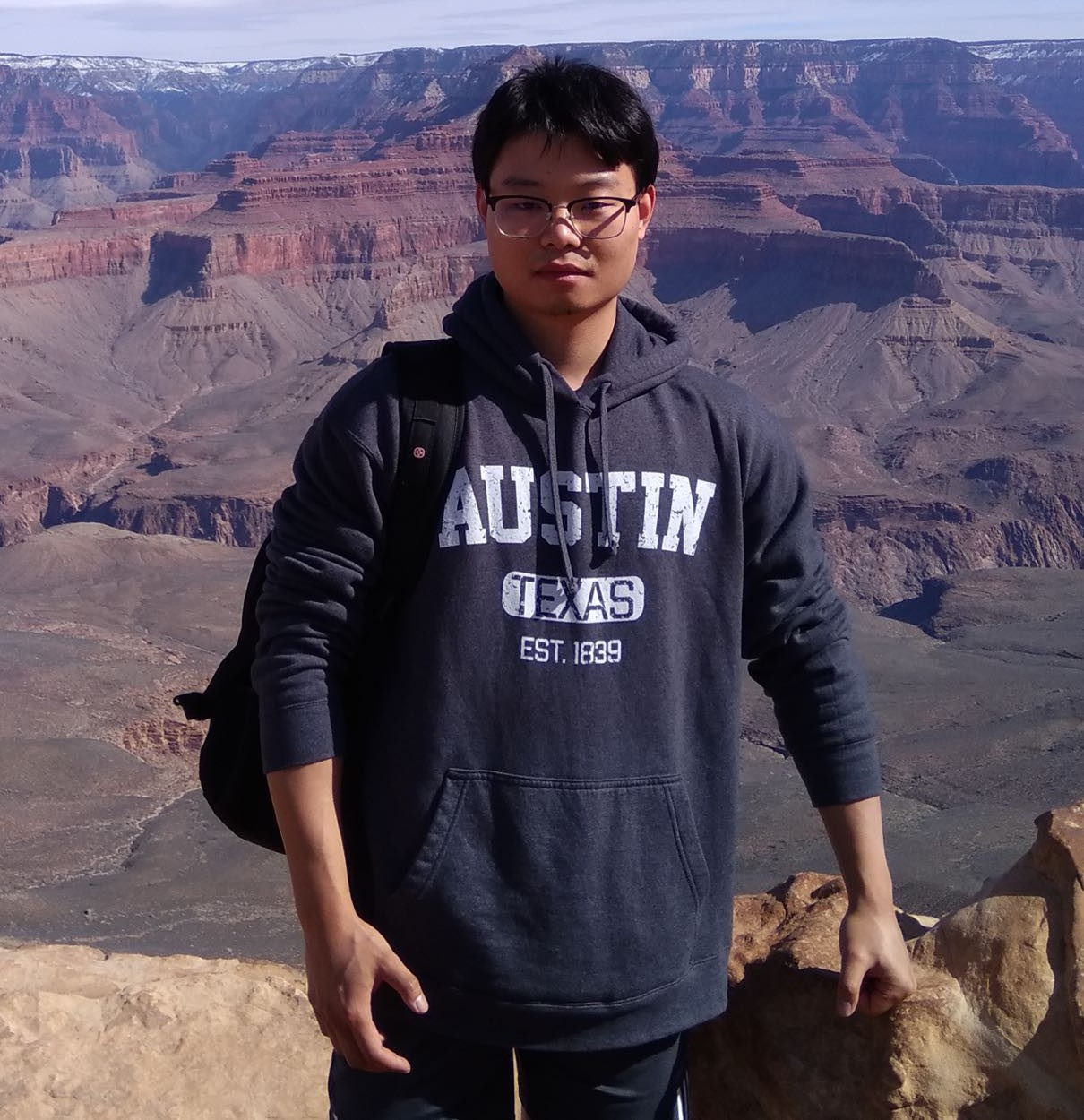
Tianrui (Terry) Zheng, a Materials Science & Engineering graduate student working with Dr. Guihua Yu, is a recipient of the 2026-2027 UT Chevron Energy Graduate Fellows Award from UT's Energy Institute.
NSF Graduate Research Fellowship Program Awardees
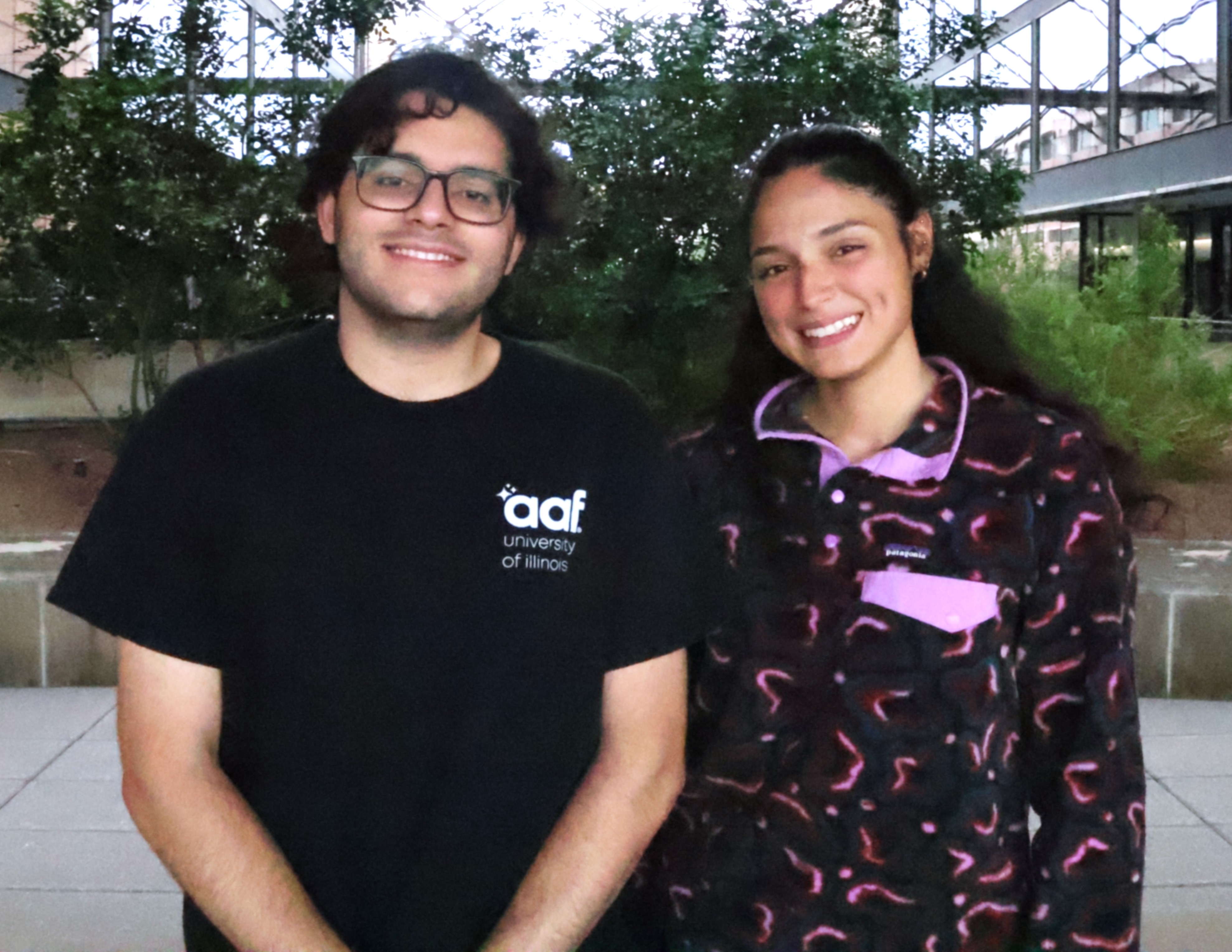
We are excited to announce that two MS&E students, Arvin Sharma and Aisha Lizaola, have been awarded the prestigious National Science Foundation Graduate Research Fellowship Program (NSF GRFP).
Two New Publications Advance Innovative Synthesis Methods for Next-Generation Battery Materials
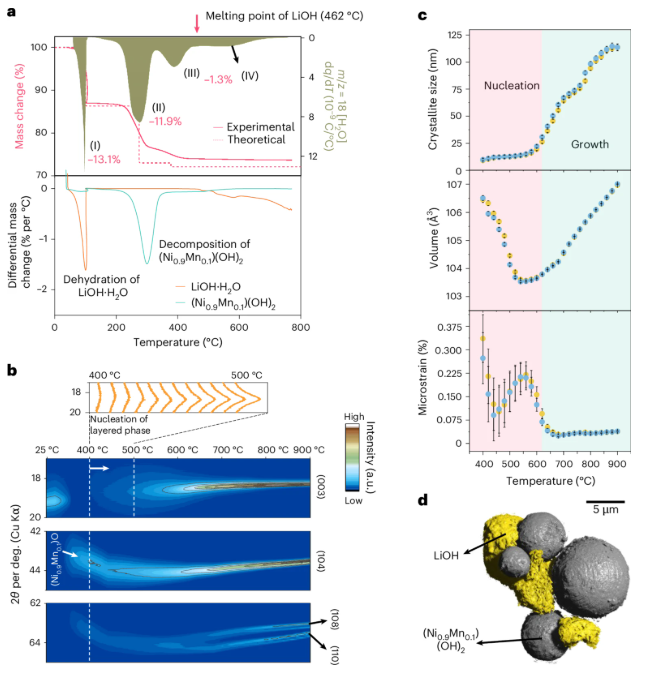
We are excited to share updates on two recent publications in Nature Energy and Nature Communications from Dr. Yijin Liu and his group, highlighting breakthroughs in battery material synthesis aimed at improving cathode performance, durability, and manufacturability.

© The University of Texas at Austin | Privacy Policy | Web Accessibility